The world model for real-world data
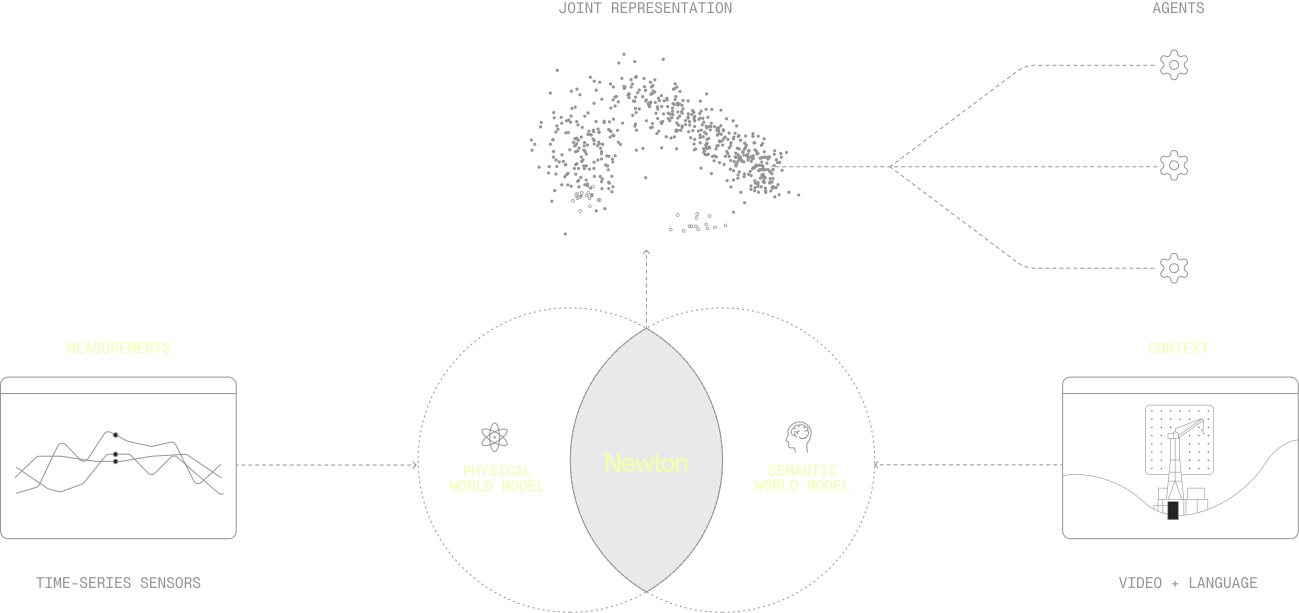
Newton is the intelligence layer for the physical world. It learns how physical systems behave directly from sensor data, fusing hundreds of signals to uncover patterns no single source reveals — predicting unknown failures, explaining root causes in plain language, and automating the response.
Newton
Below: Newton interpreting multiple sensor inputs at once. Each point is a moment Newton has embedded. Similar activities cluster together, with no task-specific training required.
WHY A WORLD MODEL
Newton: a physical world model that learns from sensor data
Physical data is fundamentally different from the text and images of the digital world — it needs a model built from the ground up for it. That model is Newton.
Sensor fusion
Understand patterns across physical signals
Newton learns the underlying physics encoded across sensor data, fusing multiple signals to reveal patterns of physical behavior no single signal can capture alone—from mechanical oscillations to thermodynamics.
Generalization
Generalize to any machine, out of the box
Newton adapts to any machine, environment, or use case. Pretrained on billions of sensor measurements, it extends intelligence across physical systems without building specialized models for every asset, then adapts as conditions change.
Deploy anywhere
Run where physical work happens
Physical operations run far beyond any data center. Remote sites, distributed assets, and bandwidth constrained facilities need decisions in real time, with data that can't leave. Newton runs where the work happens, from the cloud to the edge.
THE MODEL
One Model.
Endless Real-World Applications.
Endless Real-World Applications.
01
Fuse and interpret data from 100s of sensors
02
Adapt pretrained physical world model with a few examples
03
Build and deploy physical agents for every use case



WHERE THIS GOES
Universal autonomy
for the physical world
Newton Agents uncover hidden operating conditions, predict emerging problems, and enable intelligent action to keep operations running at their best. Start with a single asset and scale intelligence across machines, sites, and entire fleets.
L4 — ACTION
L3 — PREDICTION
L2 — UNDERSTANDING
L1 — DETECTION





01
Deploying
1–3 ASSETS
02
Expanding
UNDER 10 ASSETS, 1 SITE

03
Operating
10+ ASSETS, 1 SITE
04
Self-Optimizing
MULTI-SITE
05
Autonomous
FLEET-WIDE
FEW ASSETS
MANY ASSETS
SITE-WIDE COVERAGE
MULTIPLE SITES
FLEET-WIDE
SYSTEM INTELLIGENCE ↑
SCALE →
WHERE NEWTON AGENTS TAKE YOU NEXT
Put Newton to work
Talk with a Physical AI expert and see how to deploy Newton Agents across your use cases, mapped to the outcomes you care about.
blog
The Archetype AI Blog
May 20, 2026
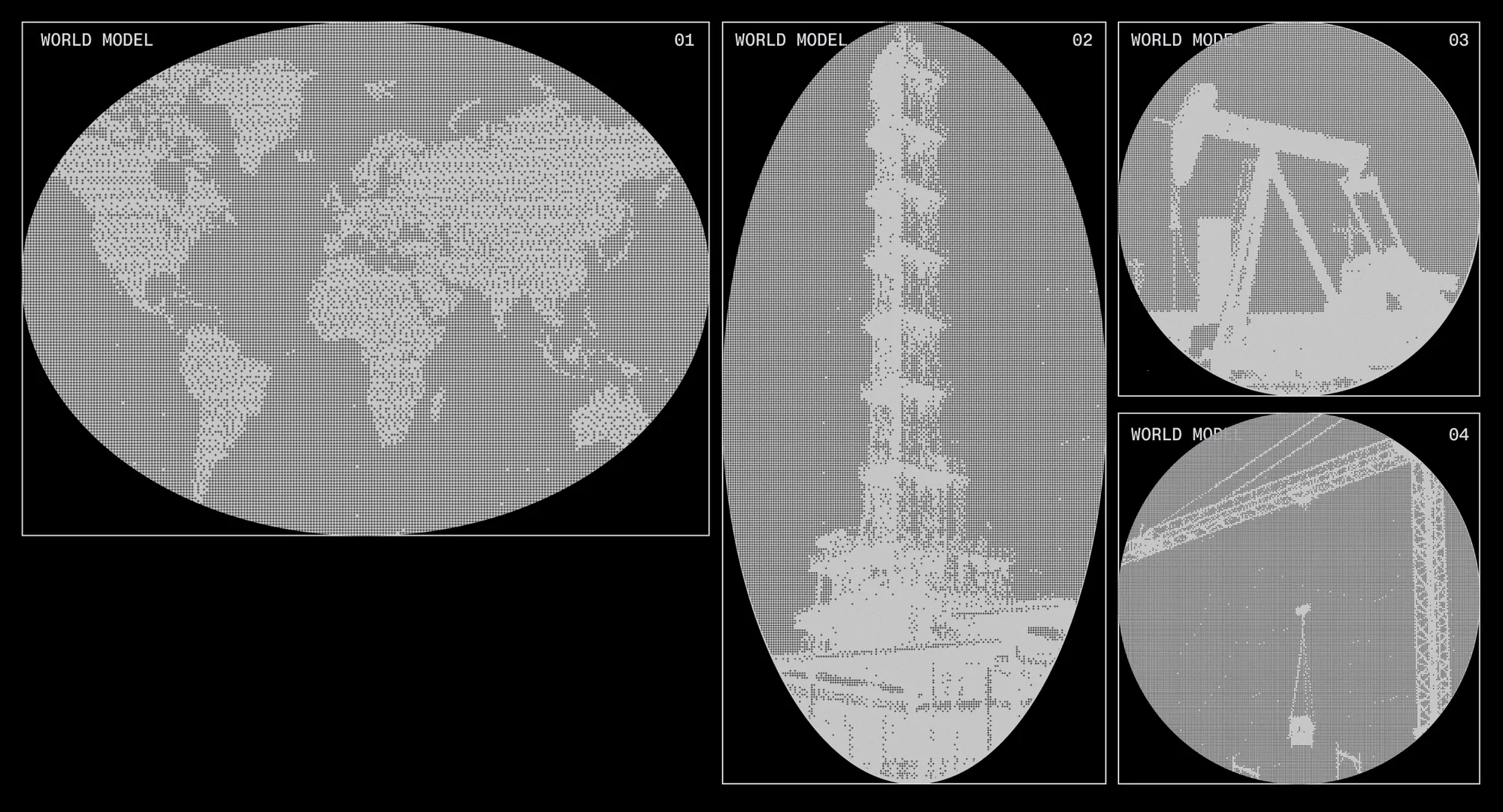
Adaptive World Models: Closing the Operational Intelligence Gap
Explore how Adaptive World Models close the operational intelligence gap in physical industries—helping machines learn their own behavior directly from sensor data, adapt locally to each deployment, and turn complex signals into actionable operational states.
Nov 20, 2025
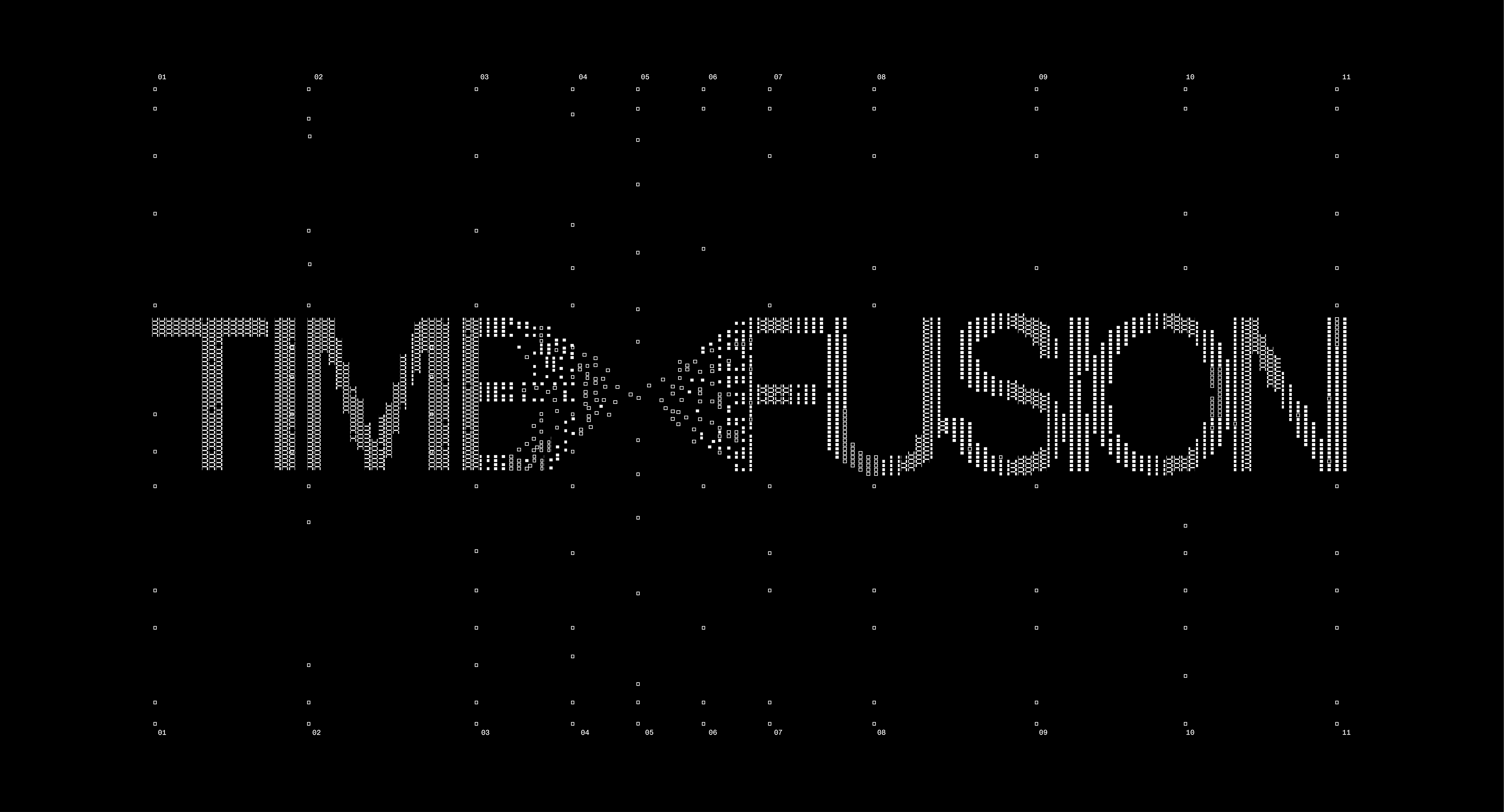
TimeFusion: Natural-Language Intelligence for Your Sensors
Introducing Newton TimeFusion, Archetype's 2.0B-parameter multimodal model that unifies human language and time-series sensor data using Universal Tokens. This breakthrough creates a "Physical AI" layer, allowing users to have natural conversations with sensors and machines for actionable insights, prediction, and control.
Apr 20, 2026
Physical AI vs LLMs: Why the Next AI Breakthrough Is in the Physical World
Learn why LLMs struggle with continuous physical signals and how Physical AI uses sensor data to understand machines, systems, and real-world operations.
_Schedule a Demo
Put Physical AI to work
Talk with one of our Physical AI experts and learn how to deploy Newton Agents across a wide range of use cases — mapped to the outcomes you care about.
