What is
Physical AI?
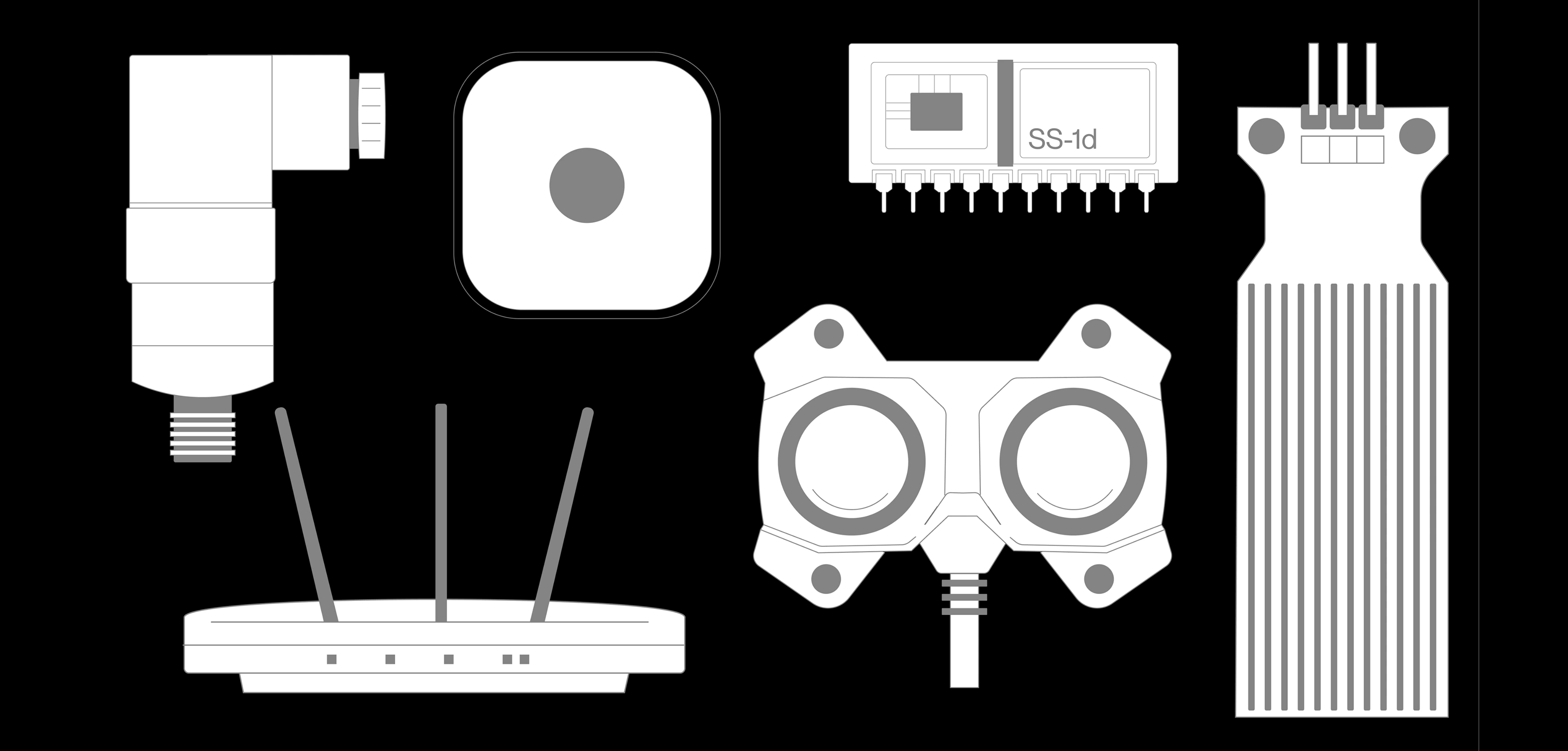
Physical AI is intelligence that perceives, reasons, and acts in the real world. Instead of learning from text and images online, it learns from the physical signals all around us — sensor data, video, and language — to understand how machines, environments, and people actually behave.
WHY IT MATTERS
The biggest problems are physical, not digital
The biggest problems are physical, not digital
Most AI understands the digital world of text and images. But the hardest problems — safety, reliability, and efficiency across factories, infrastructure, and cities — live in the physical world. Billions of sensors already stream data about it, and most of that data goes unused.


HOW IT'S DIFFERENT
How Physical AI is different
How Physical AI is different
AI models are shaped by the worlds they learn from. Language models reason over text, images, and digital information. Visual world models learn from video and simulations. Newton learns from the physical signals generated by the world around us, turning multimodal sensor data into an understanding of physical systems.
Digital AI
Generates text and images.



Virtual world
Simulates virtual environments

Physical AI
Understands physical sensor signals
Physical AI is bigger than robots
Physical AI is bigger than robots
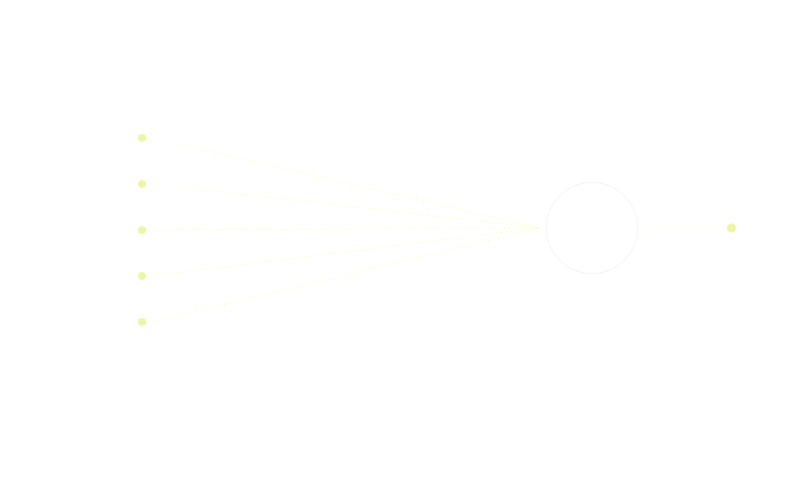
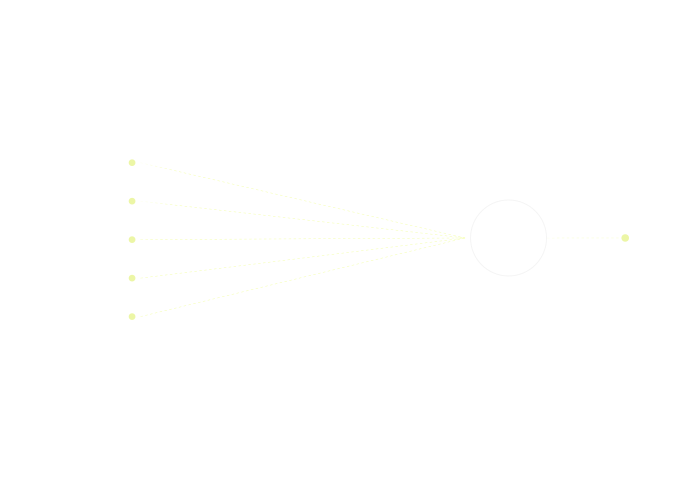
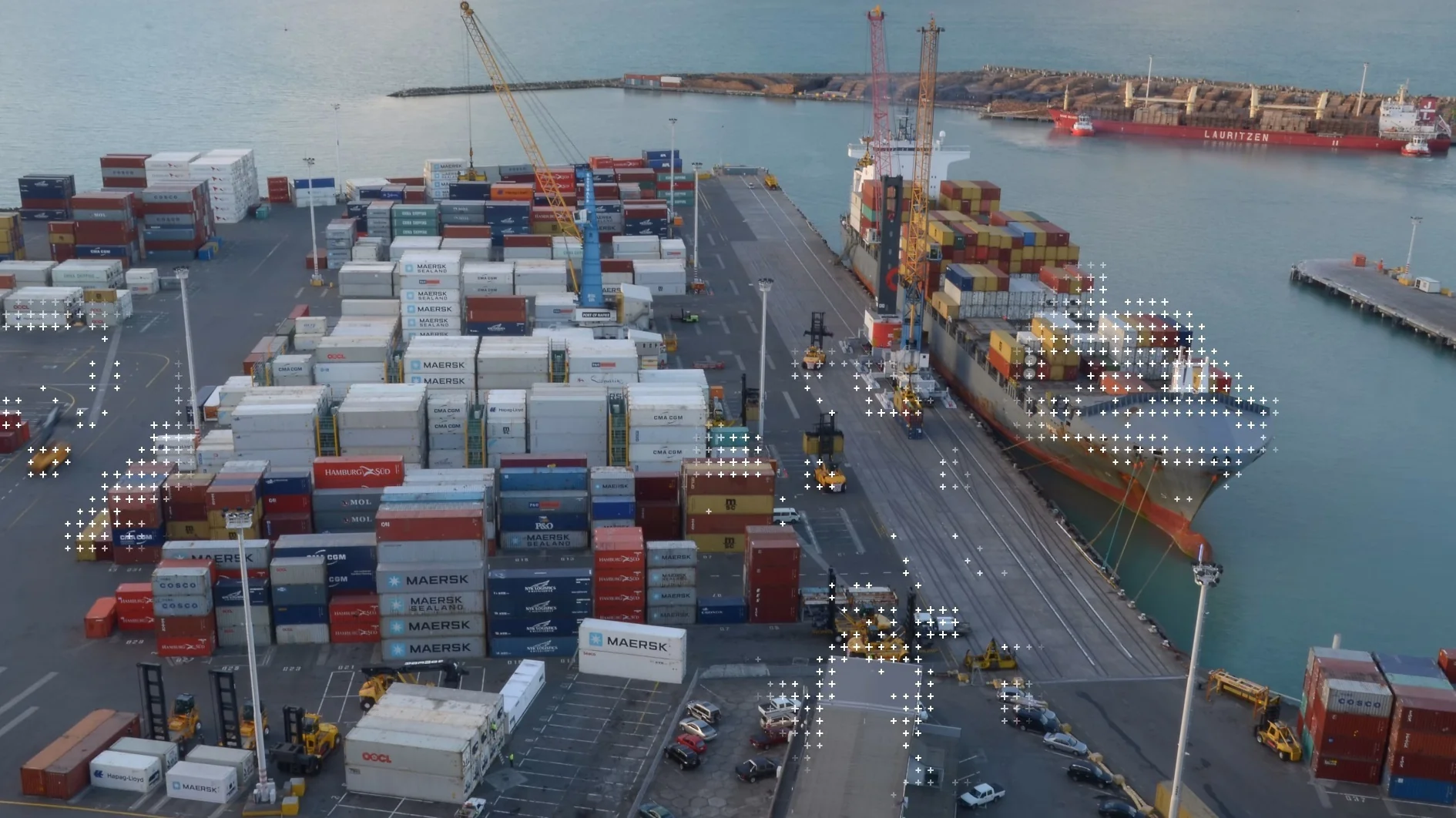
Physical AI is often reduced to robots, autonomous vehicles, and humanoids. Those are one expression of it — but it's broader: any system that senses and reasons about the physical world in real time. With Newton, that intelligence comes from the sensors you already have — no robot required.
physical AI agents
From understanding to action
From understanding to action
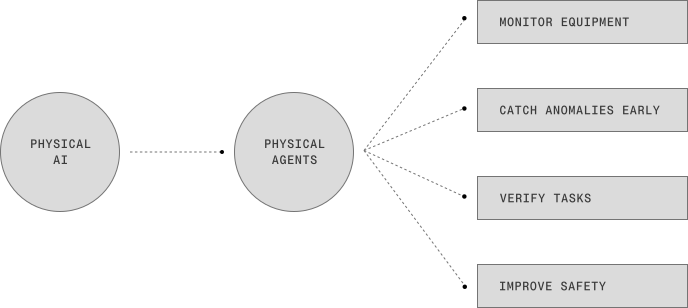
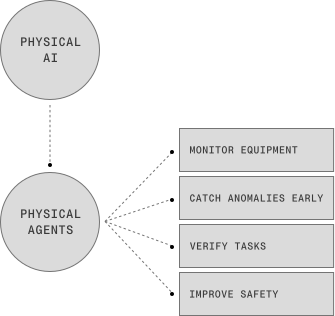
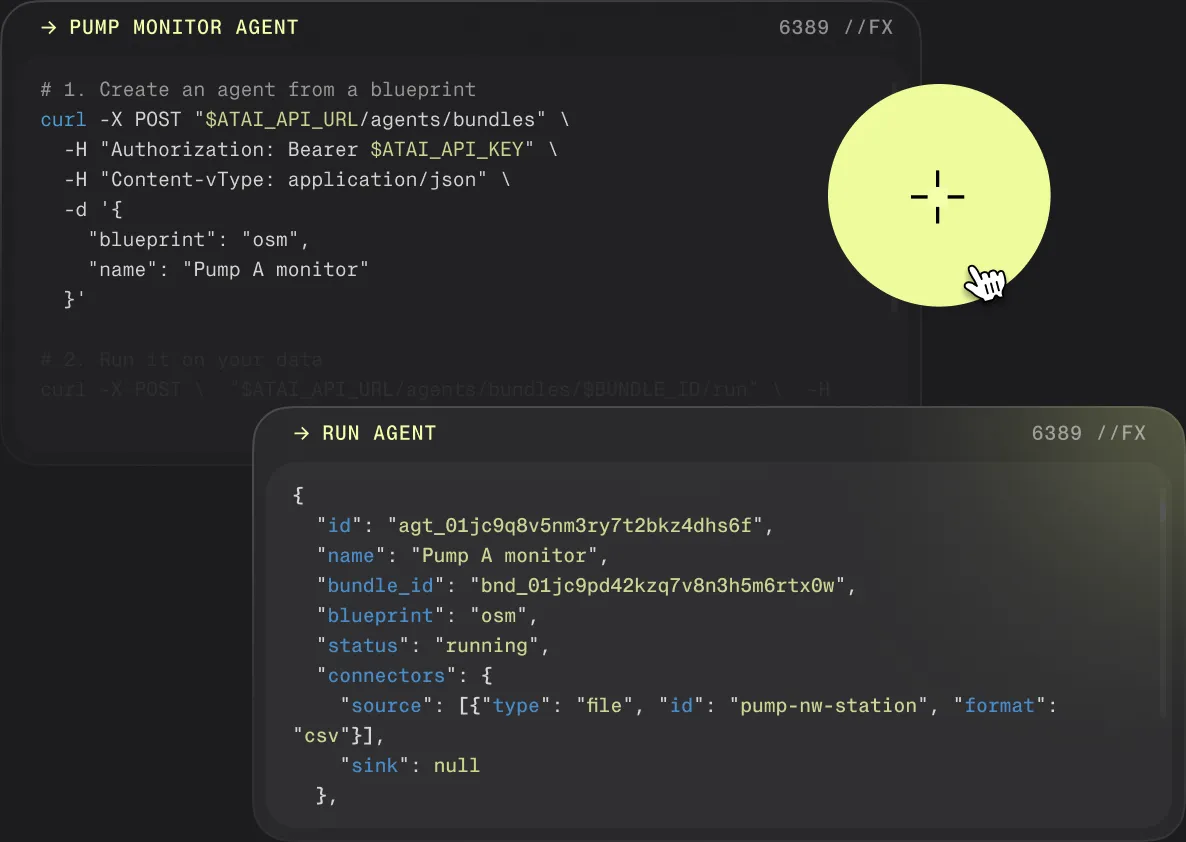
Physical AI powers Physical Agents — real-time applications that interpret the physical world and act on it.
Intelligence moves off the screen and into machines, infrastructure, and environments themselves: monitoring equipment, catching anomalies early, verifying tasks, and improving safety.

Introducing Newton,
the world model for
real-world data
Newton is the general intelligence layer for the physical world. Pretrained on billions of sensor measurements, Newton understands the patterns, relationships, and dynamics that govern physical systems.
_Schedule a Demo
Put Physical AI to work
Talk with one of our Physical AI experts and learn how to deploy Newton Agents across a wide range of use cases — mapped to the outcomes you care about.
